Konstantin Tarandevich

Konstantin Tarandevich

Software Architect

Hi, I'm Konstantin — Software Architect & Systems Engineer
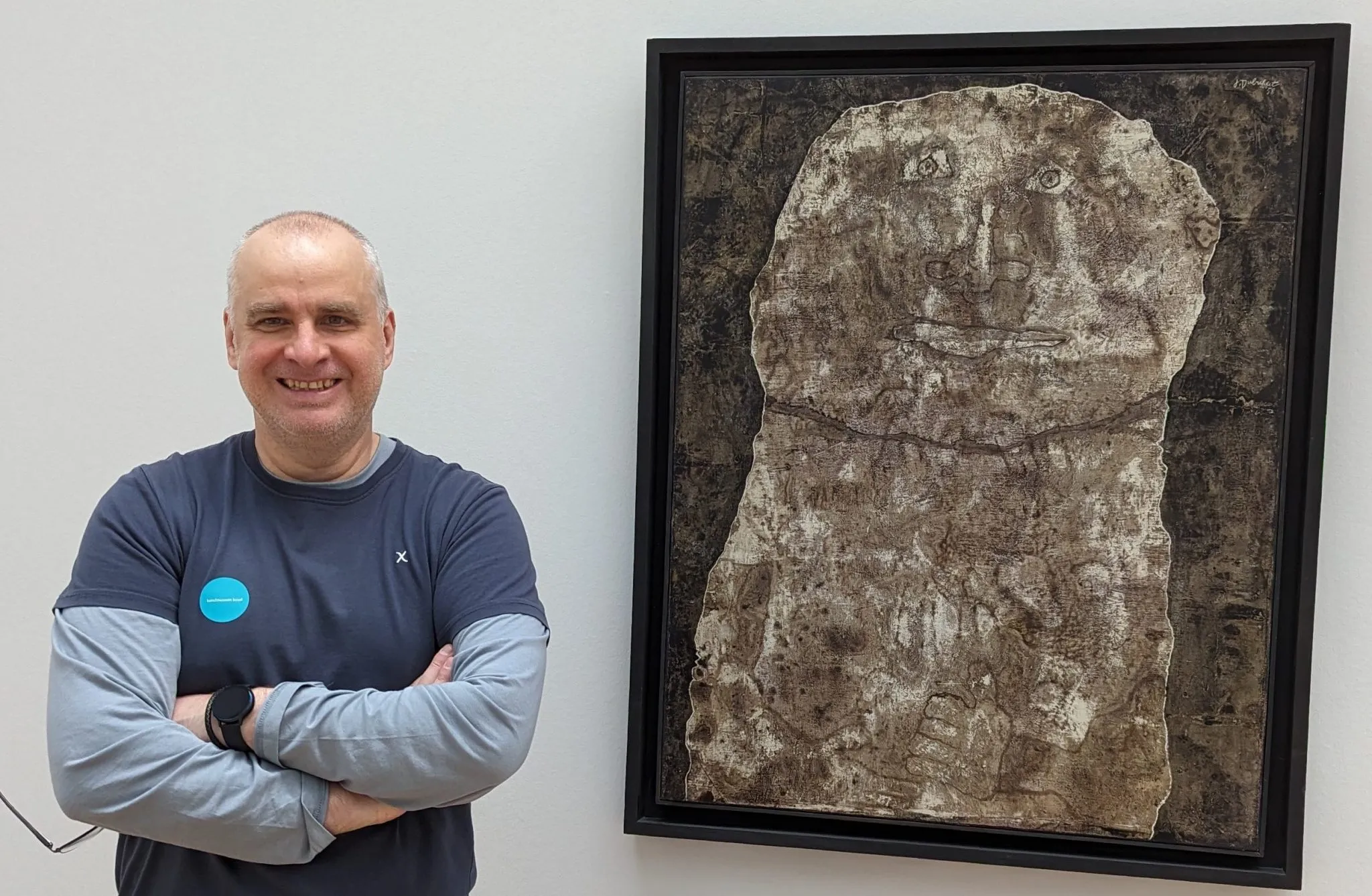
Konstantin Tarandevich

I'm a Software Architect at ZF Group based in Koblenz, Germany, with deep expertise in system software engineering. Over the years I've worked across embedded systems, platform architecture, and software design — including published research on IMA platforms and a patent in graphical library development.

I'm passionate about building reliable, well-structured software and sharing what I learn along the way.

Feel free to connect with me on LinkedIn.

Writing

Everyone Is Building an AI AUTOSAR Toolchain. But How Should We Evaluate One?

Generating plausible AUTOSAR artifacts is an interesting capability. It is not yet evidence of a production-ready engineering system. We need a way to measure the difference.

Hybrid Databases Were the Wrong Fix for Requirements RAG

A negative infrastructure result from a requirements RAG lab: Postgres, ParadeDB, and OpenSearch could host useful pieces, but none replaced the current retrieval stack without losing ranking quality or evidence bundles.

The RAG Verifier Learned to Say No. It Still Missed a Hard Requirement Failure.

A held-out requirements RAG experiment: claim-level verification reduced harmful published answers from 35.7% selective risk to 4.0%, but strict human audit still found semantic completeness failures.

Citations Were Not Enough for Safety-Critical Requirements RAG

A negative result from a requirements RAG lab: even with structured records, cited JSON answers, and deterministic guards, the answerer failed the abstention gate when evidence was insufficient.

I Flattened 13,244 Requirements Into Chunks. 97% Lost Their Meaning.

A practical retrieval study over structured automotive requirements: why flatten-and-chunk failed, where ordinary top-k search stopped being the right tool, and how query routing improved both quality and latency.

I Tested a Simple RAG Idea: One Summary per Document. It Was Useful, But Not Enough.

A practical retrieval experiment: can an LLM-generated document summary replace chunk-level search? On a 5,000-document corpus, the answer was measurable — useful signal, clear ceiling, and a better baseline.

My Two AI Agents Talk MCP to Each Other. There Is No Standalone Tool Server.

The default MCP story is one fat tool server, many clients. When I needed two of my domain agents to talk to each other, that shape was the wrong one — and the alternative shows what MCP is actually good for.

I Built an AI Agent for Myself. My Colleagues Wanted to Use It. That Is Where the Problems Started.

When a domain expert builds a working AI agent and people start depending on it, the bus factor problem arrives long before the platform — and a different kind of work begins.

The Boring Part of Requirements Review Is Now Automated

How a lightweight AI agent eliminates the context-gathering overhead in safety-critical requirements review — so the architect can focus on judgment, not tool-switching.

Measuring What Matters: Architecture Quality Metrics for Safety-Critical Software

Architectural quality is difficult to observe — you cannot run a test suite on a dependency graph. This post describes a metrics system built to track it: three levels of measurement, from binary compliance checks to long-term trends.

Building an AI Agent for Embedded Systems Architects

A conversational AI agent that sits in front of complex embedded systems tooling and speaks human — so architects spend less time remembering plugin syntax and more time on actual architecture.